Cart (0)
Close

Behind every cup there is a plant. More than 130 coffee species are known today, but only a handful are grown, and two of them, arabica and canephora, make almost all the coffee in the world. Each one shapes the taste, body and caffeine of your cup. Here is how they differ.
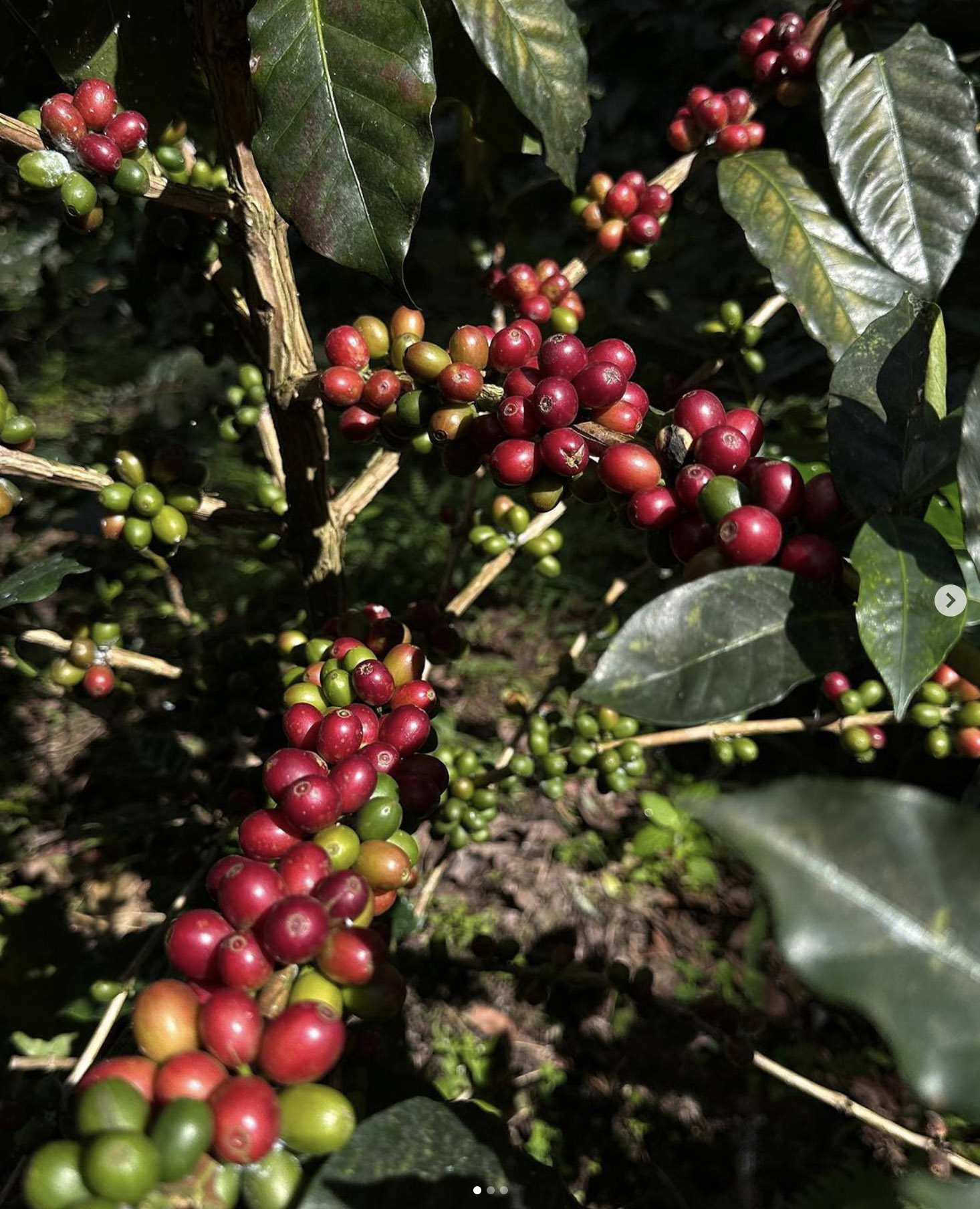
Coffea arabica
The most widely grown species in the world. It was born from a natural cross between Coffea canephora and Coffea eugenioides, in the highlands of Ethiopia and South Sudan. Each flower pollinates itself, which keeps varieties stable but genetically narrow.
Arabica loves altitude, cool air and shade, and pays for it with fragility: it is sensitive to leaf rust, pests and heat. In the cup, expect lively acidity, sweetness and a wide aromatic range, from floral to red fruit.
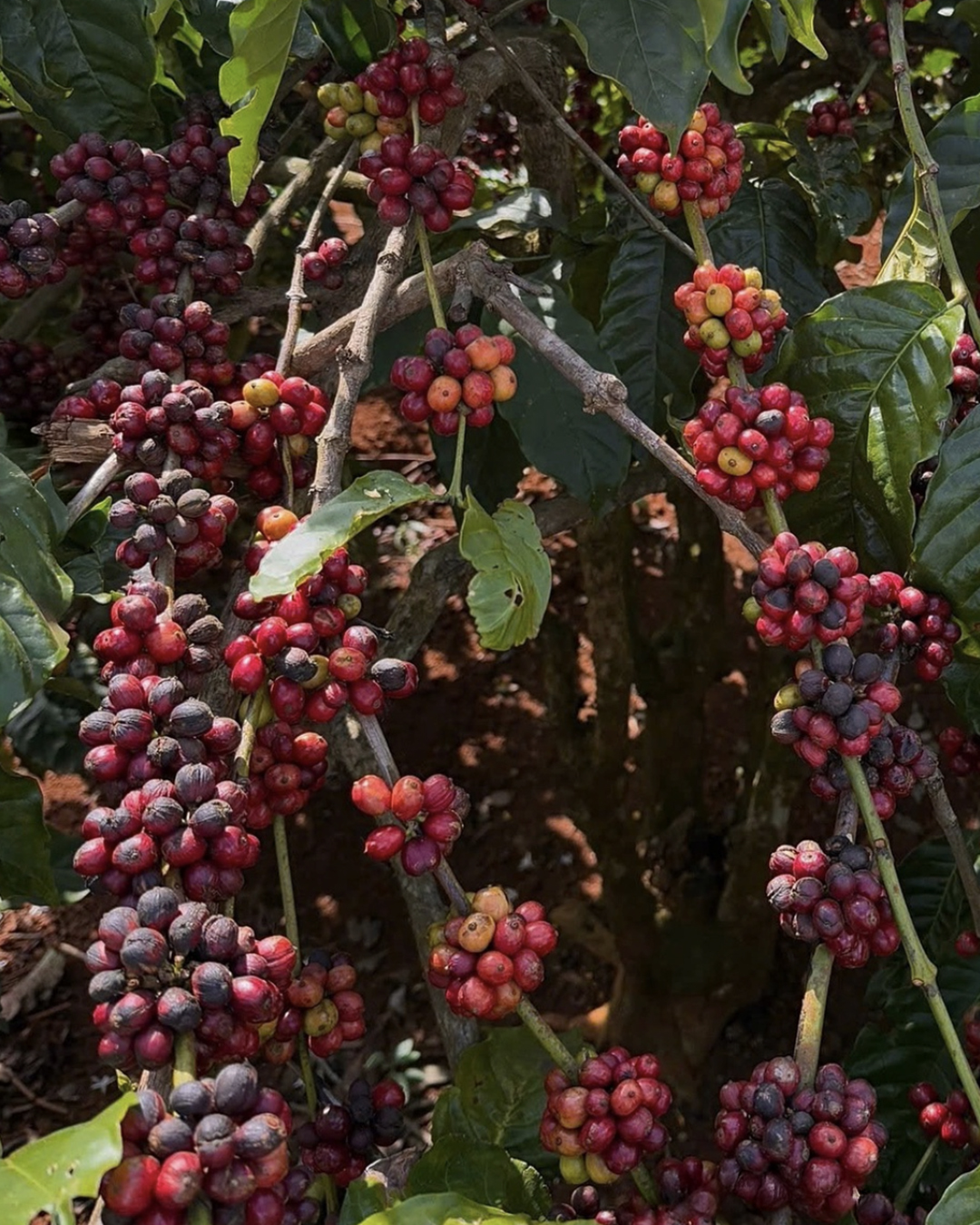
Coffea canephora, often called robusta
Robusta is in fact just one group within the species, like Conilon in Brazil. Native to the lowland forests of Central and West Africa, canephora handles heat and disease well. It needs pollen from other plants to bear fruit, which gives it a rich genetic diversity.
Long reserved for commodity coffee, specialty canephora is changing the game: selective picking and careful processing reveal cocoa, hazelnut, spice or dried fruit, with a heavy body and a thick crema. Vietnam is the world’s largest producer.
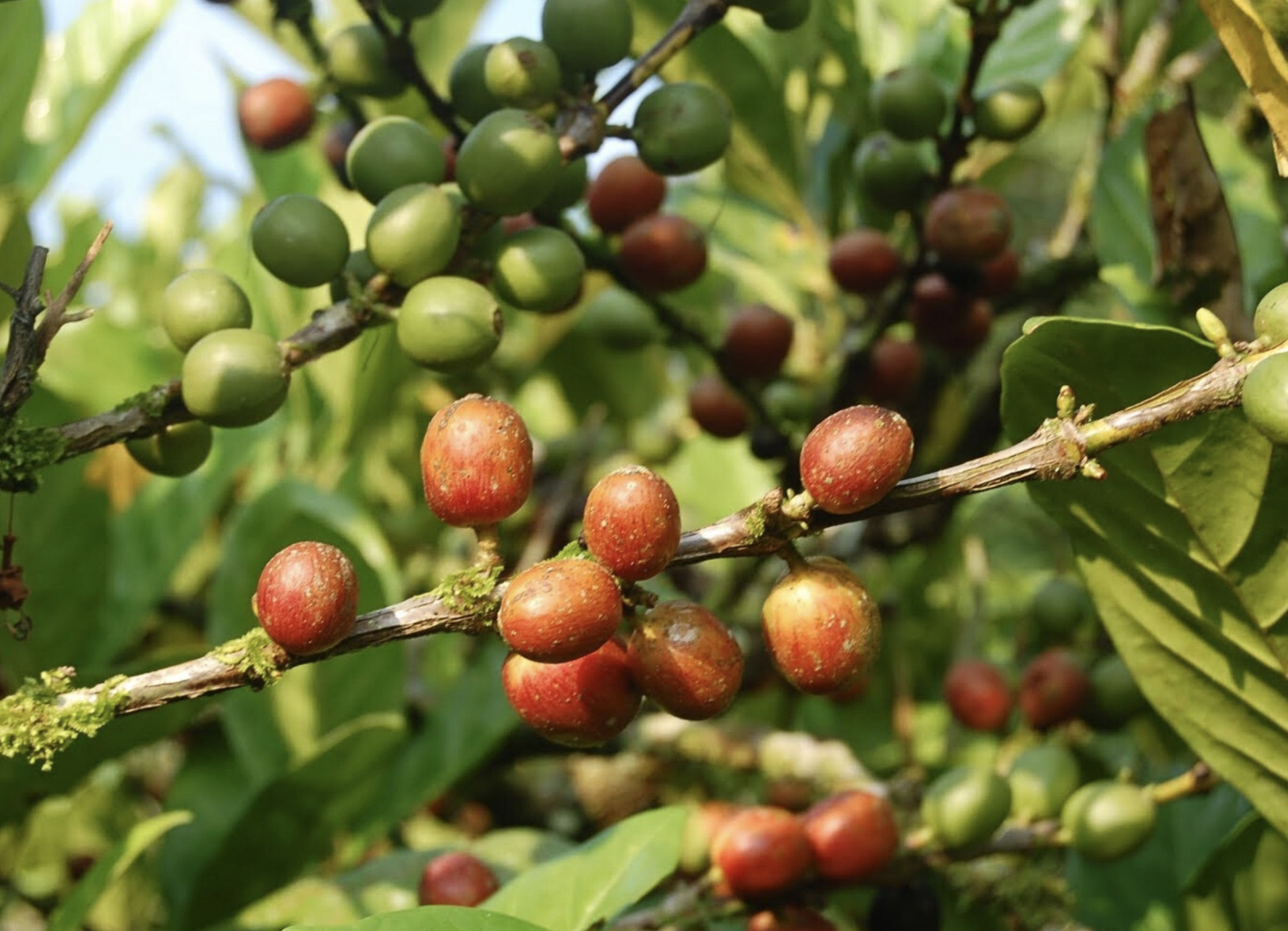
Coffea liberica var. liberica
Native to West Africa, liberica grows into real trees that can pass 10 metres, with very large cherries and asymmetric beans. It had its moment in the late 19th century, when leaf rust wiped out arabica plantations across Asia.
Rare on a global scale today, it is still grown in the Philippines (the famous barako), Malaysia and Indonesia. In the cup: a powerful, woody, sometimes smoky profile with notes of ripe fruit.
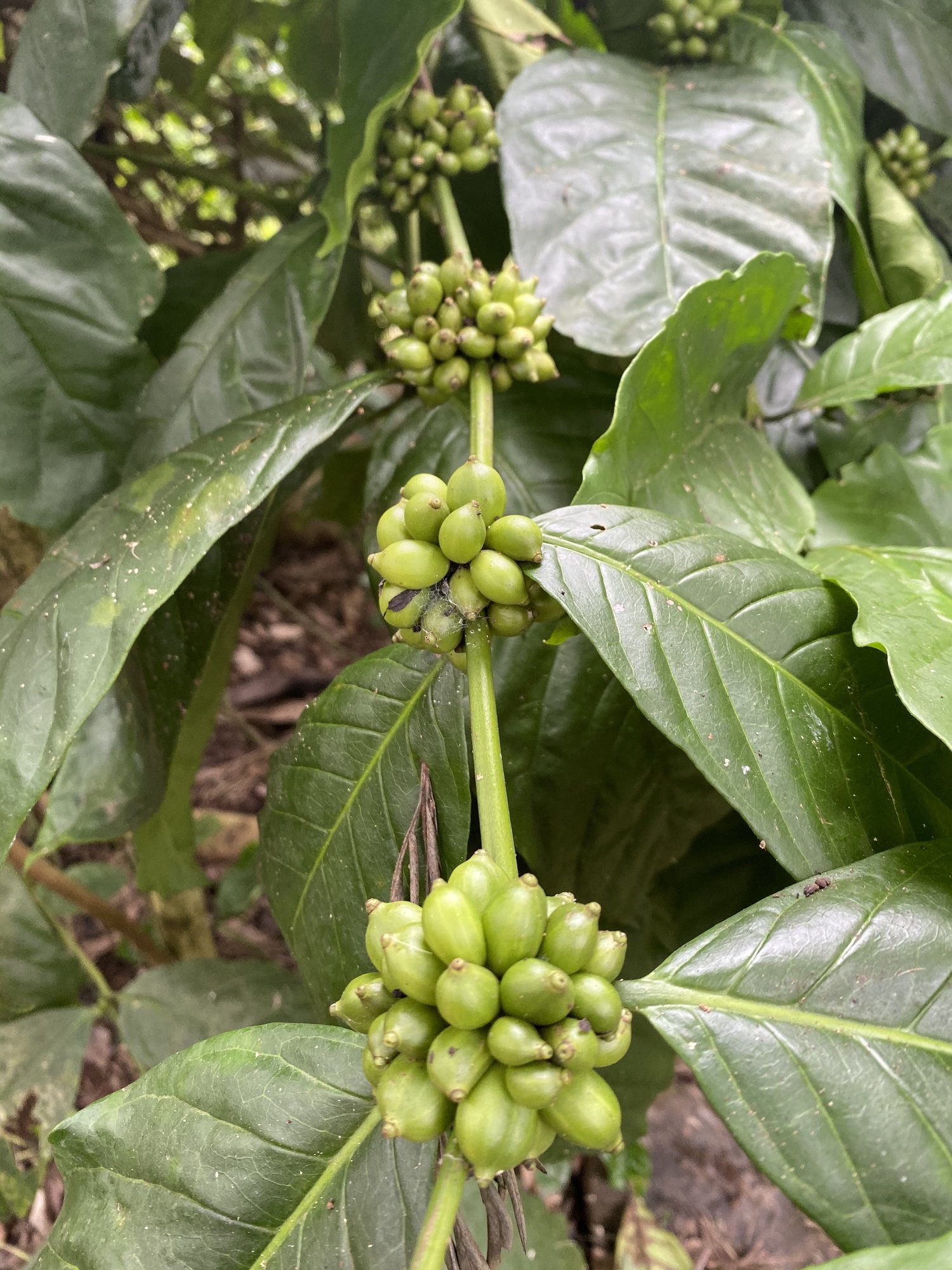
Coffea liberica var. dewevrei
Long considered a species of its own, excelsa was reclassified as a variety of liberica in 2006. In the cup, it keeps a clear identity. Native to Central Africa, it is grown mostly in Southeast Asia: in Vietnam, where it is called cà phê mít (jackfruit coffee), in the Philippines and Indonesia, and a few Indian estates are working with it too.
Hardy and resistant to drought and disease, it gives a surprising cup: tart and fruity, sometimes close to jackfruit or passion fruit, with a dry finish. A species worth watching as the climate warms.
The main differences between the cultivated species.
| Arabica | Canephora | Liberica | Excelsa | |
|---|---|---|---|---|
| Altitude | High | Low | Low | Low to mid |
| Climate | Cool, fragile | Hot, hardy | Hot, humid | Hot, dry |
| Caffeine | Moderate | High | Moderate | Rather low |
| Acidity | Lively | Low | Low to medium | Marked |
| Body | Light to medium | Heavy | Full | Medium |
| In the cup | Floral, fruity | Cocoa, hazelnut | Woody, ripe fruit | Tropical fruit |
| Best for | Filter, espresso | Espresso, milk | Moka, filter | Filter, espresso |
Most of the 130 known species are not grown at all. Some are closely watched by researchers for the future of coffee.
Rediscovered in Sierra Leone, it tastes close to a good arabica while handling much higher temperatures.
One of the two parents of arabica. Low in caffeine, soft and sweet, it is starting to appear in barista competitions.
From Mozambique and very drought tolerant, it is mostly used as a genetic resource to breed new hybrids.
Every species tells a different story in the cup.
Shop our coffees*Liberica and excelsa combined. Caffeine levels and world shares are indicative averages that vary with variety, terroir and harvest year.