Cart (0)
Close

After harvest, the fruits of the coffee tree go through different processes to obtain the beans that we know. According to the variety and the producer's technique, there are several methods of coffee processing. Here is how they differ.
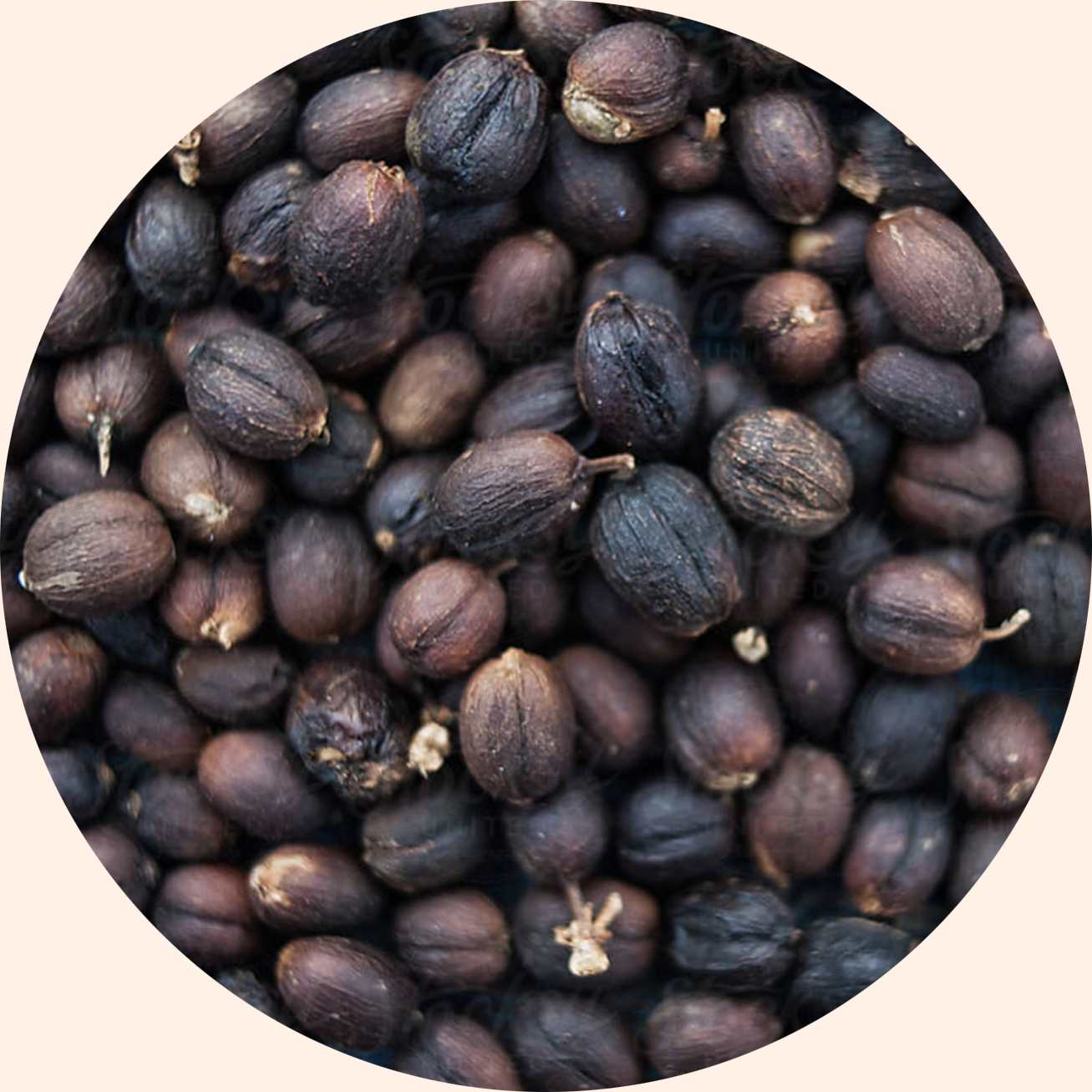
Once harvested, the coffee cherries are left to dry directly in the sun, on large flat concrete areas or on an "African bed", a mat weave suspended on four legs that lets air dry the grain from above and below. For about three weeks, the cherries are turned regularly so they dry evenly.
Once dry, the beans are shelled, leaving a fine parchment that gives plain coffee its straw-yellow colour. It is distinguished by a fruity profile and a wilder, bolder taste.
Here, the cherries are pulped within 12 hours of harvest to separate the pulp from the beans, which still carry their sweet mucilage skin. They are then fermented in washing tanks and stirred for 12 to 36 hours.
After fermentation, the beans are dried, in a hot air oven, on a concrete floor, or on an African bed. In the cup, expect a fine, subtle and aromatic coffee, most often with good acidity.
Taste it with: Manggarai
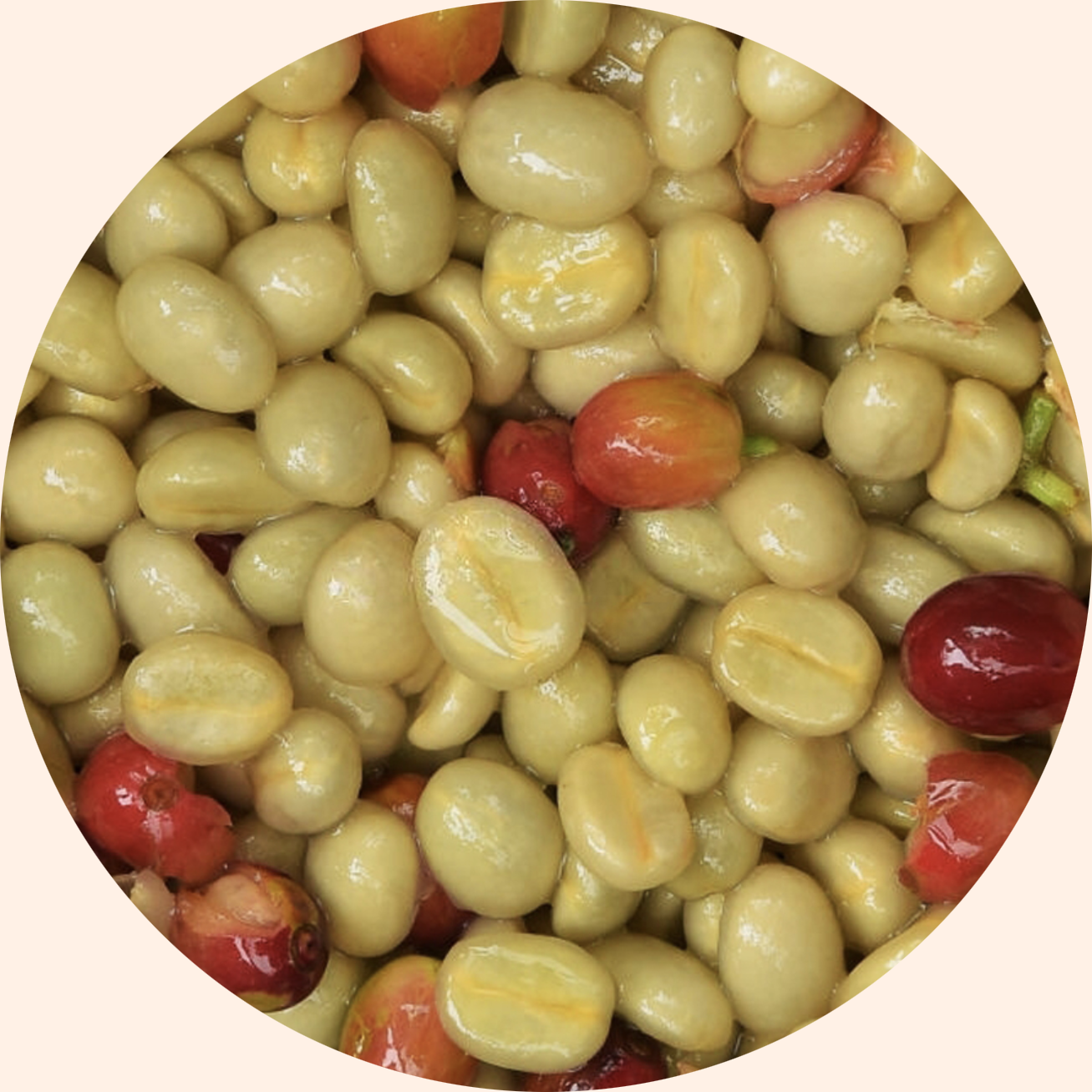
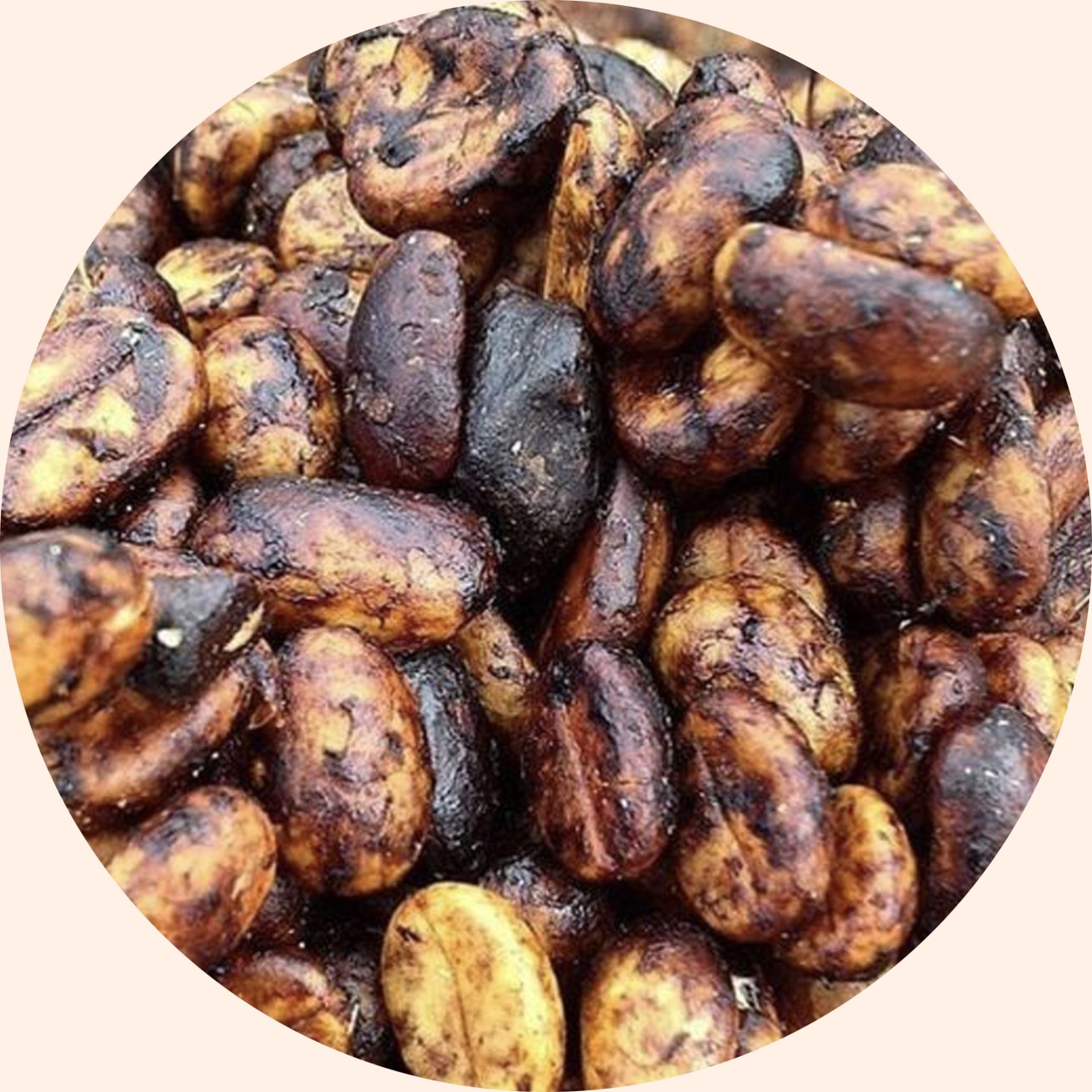
A mix of the washed and natural methods: the cherry is pulped like a washed coffee, then dried in the sun like a natural, with the mucilage still coating the bean. Black, red, yellow or white honey vary by how much pulp is left during drying.
This produces more sugar than a washed coffee and more aromatic clarity than a natural. In the cup, expect a marked body and sweetness.
Taste it with: Ea Tan (anaerobic red honey)
Known as Giling Basah, this method is unique to Indonesia, mostly used in Sulawesi and Sumatra. Farmers remove the outer skin mechanically, and the mucilage-coated beans ferment naturally for up to a day.
Unlike other methods, the parchment is hulled while the beans are still semi-wet, at 30-40% moisture, before finishing their drying. This gives the beans a distinctive bluish-green colour, and sometimes a "goat's foot" shape.
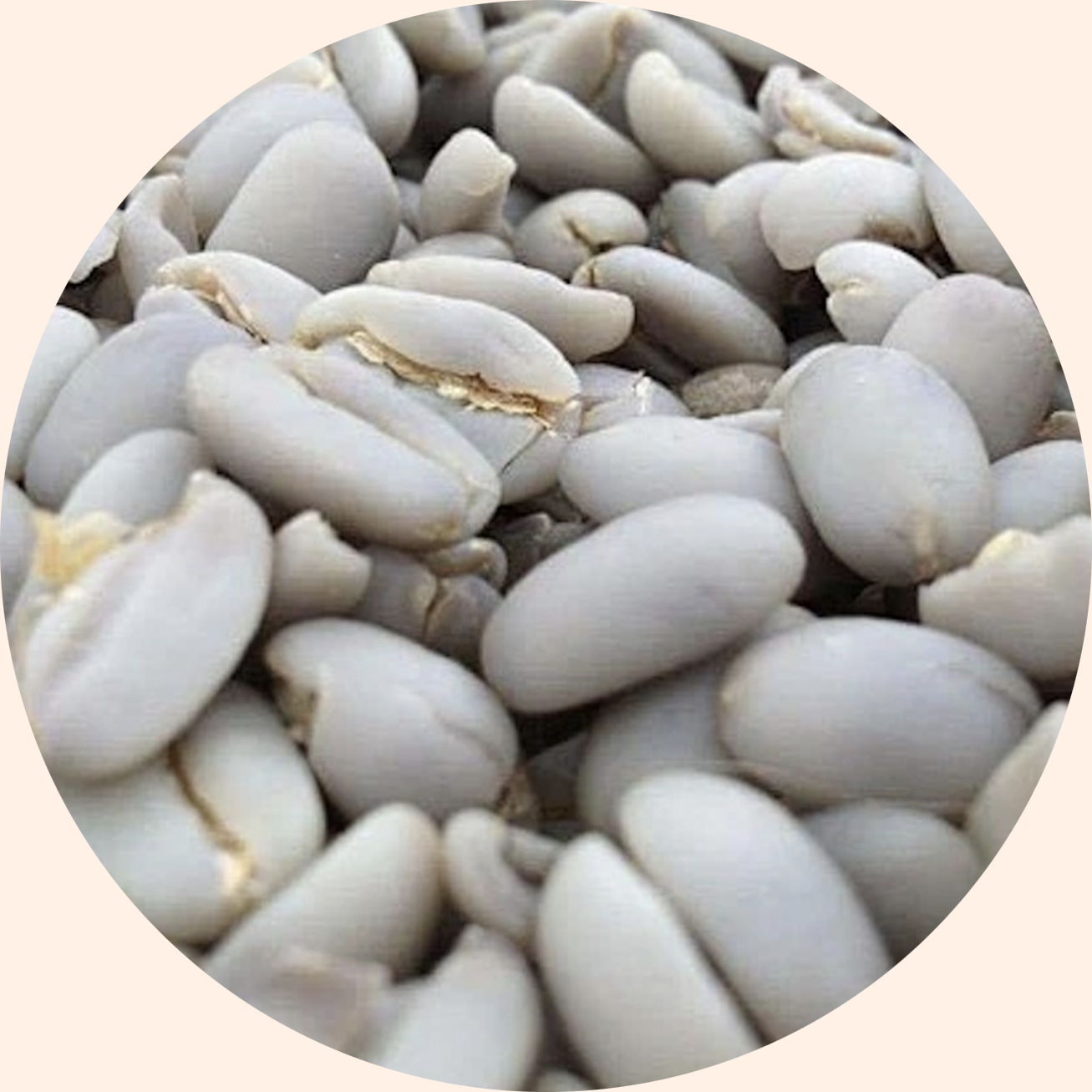
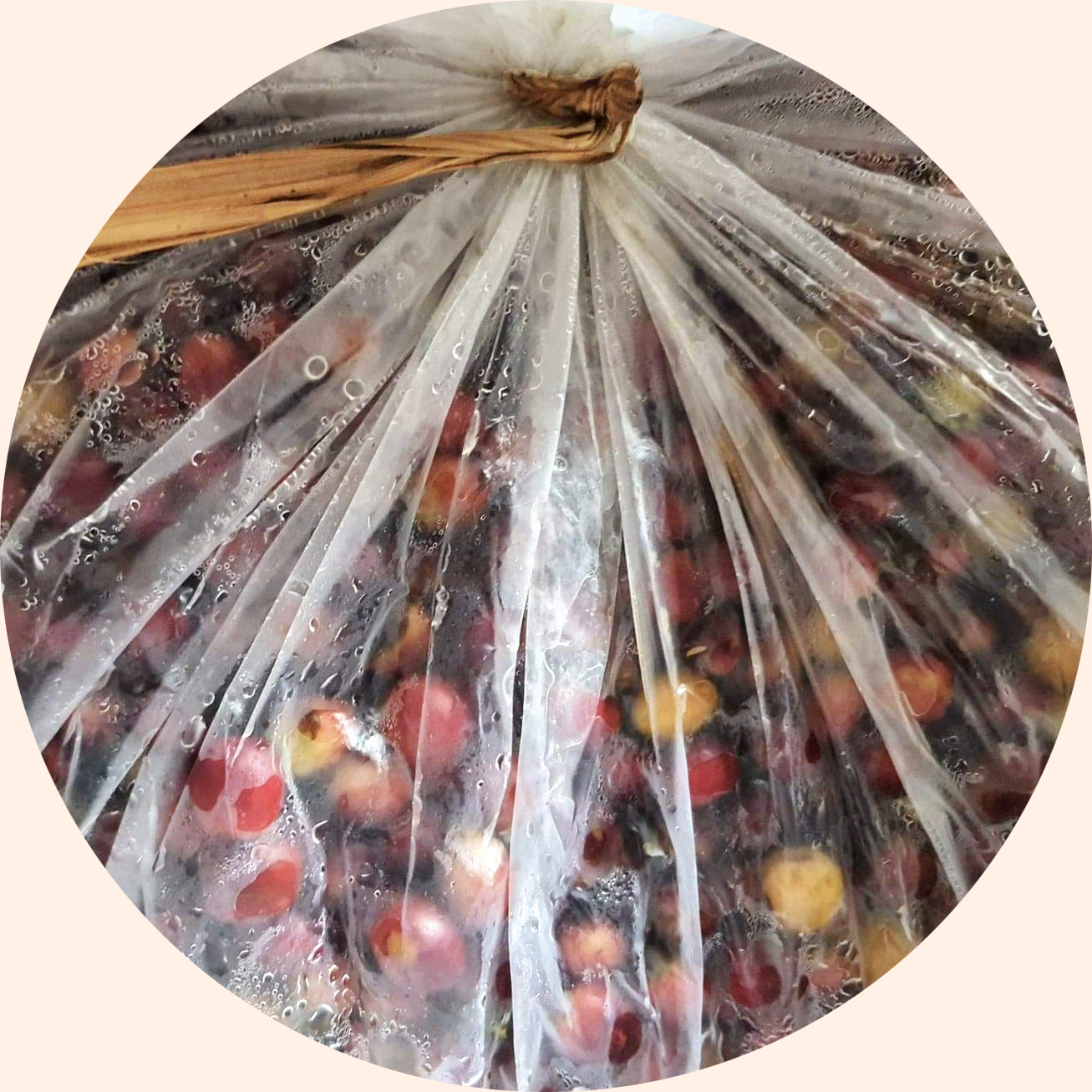
A newer method for developing unusual aromas: whole cherries ferment in a fully sealed, oxygen-free bag. Valves release the CO2 that builds up while keeping oxygen out, slowing fermentation and pushing the mucilage's flavours deep into the bean.
After 18-24 hours, the coffee finishes fermenting as a washed, natural or honey process. The result is a fruitier, creamier cup with very little bitterness.
Every process tells a different story in the cup.
Shop our coffees