Cart (0)
Close

The term was coined in the 1970s in the United States to describe a rare, high-quality coffee, judged on its own distinct identity rather than treated as a commodity.
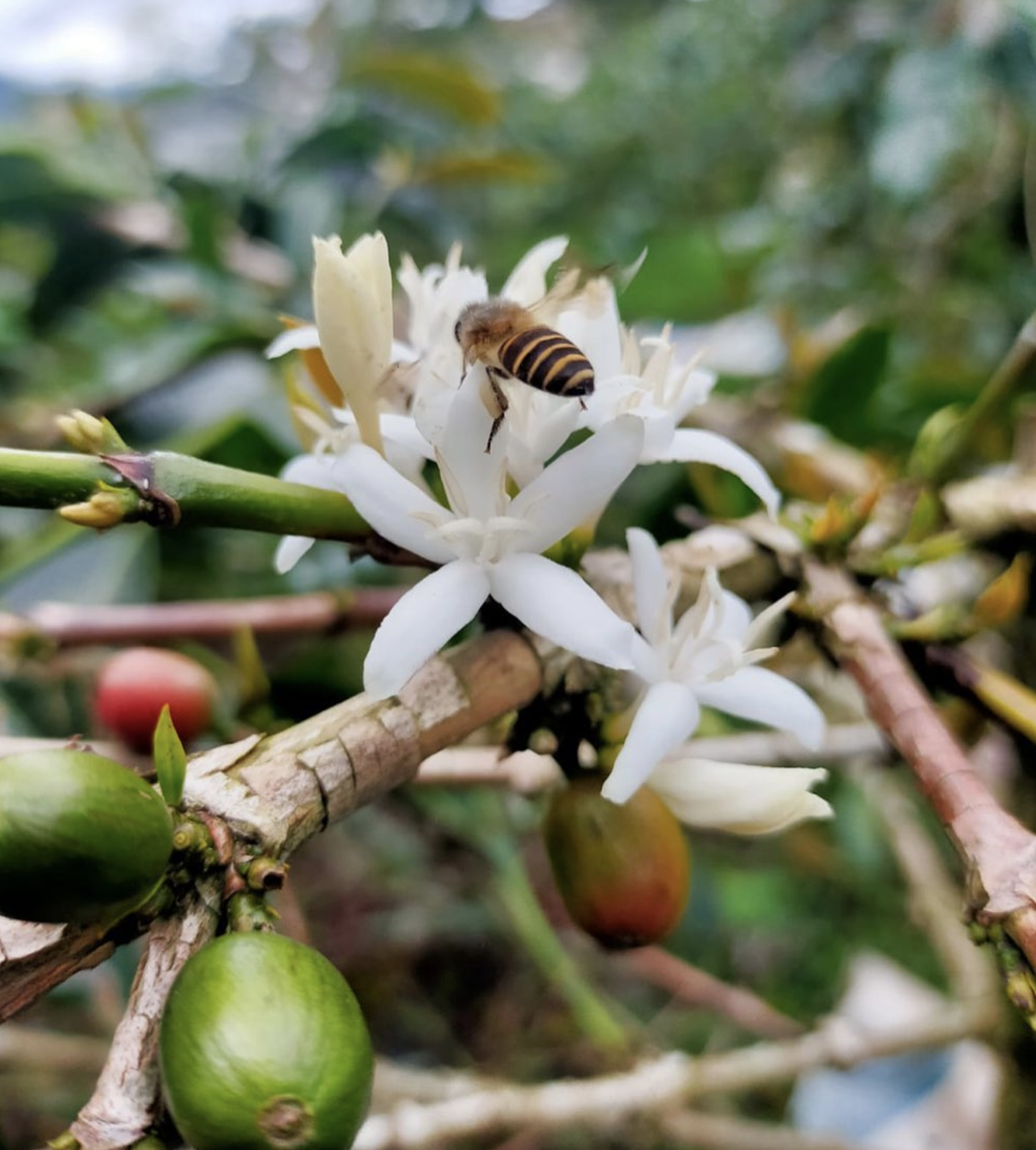
Erna Knutsen was the first to give a name to the movement, in an issue of the Tea & Coffee Trade Journal. She ceaselessly advocated for quality, identity and distinction in coffee.
In the early 2000s, with the rise of the barista profession and the artisan roaster, specialty coffee arrived in Europe, quickly compared to great wines for its aromatic complexity.
The Specialty Coffee Association later gave the movement a precise definition: a premium coffee to which the drinker attributes a unique quality, a distinct and superior character compared to an ordinary cup.
It is prepared from green beans grown in specific areas, meeting the most demanding standards in production, processing, roasting, storage and preparation.
Rated above 80/100 on a strict, standardized scoring protocol.
Every lot can be traced back to the farm it came from.
Selective harvest: cherries are picked ripe and sorted by hand.
By definition, specialty coffee supports a fair, responsible economy.
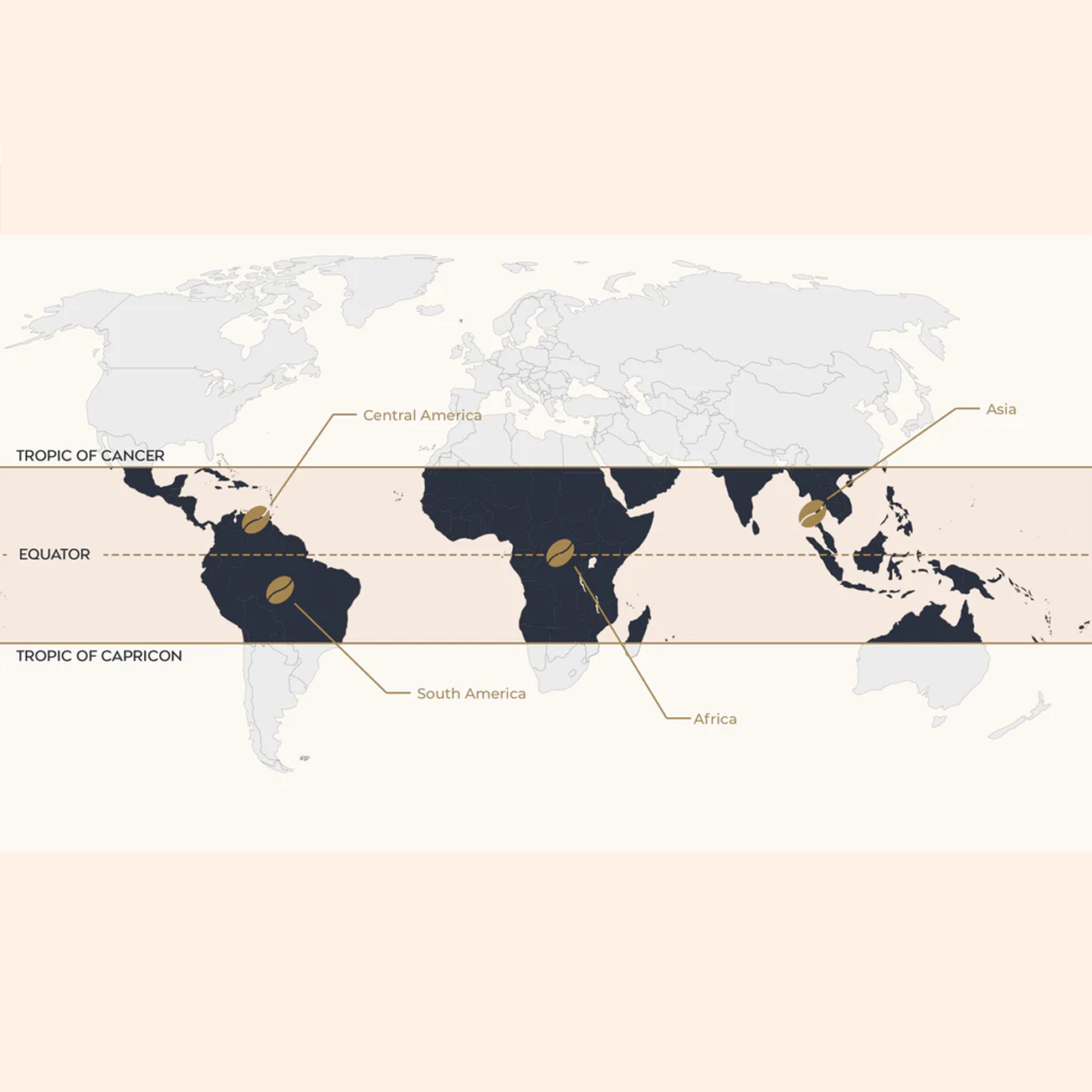
The coffee tree is a capricious plant: it needs nutrient-rich soil and a very particular climate. Its cultivation is limited to a band of the globe between the tropics of Cancer and Capricorn, known as the Coffee Belt.
On a constantly evolving scene, Southeast Asia is emerging as an outsider, offering new flavours in a market still largely dominated by Central Africa and Latin America, a new world of flavour opening up for coffee enthusiasts.
Southeast Asia is one of the most exciting new frontiers in specialty coffee.
Shop our coffees